

Menopause is often talked about in terms of hot flushes, sleep changes, mood shifts and changing periods. What is discussed far less often is how it can affect the body from the ground up — including your feet.
At Step Ahead Podiatry in Mount Eliza, we often see women who are still active, walking regularly and getting on with busy lives, but suddenly find their feet are not keeping up the way they used to.
Maybe your heel hurts when you first get out of bed. Maybe your feet feel more tired after a walk. Maybe shoes that used to be comfortable are now rubbing, pinching or leaving you sore by the end of the day.
It is easy to put these changes down to “just getting older”, but that is not always the full story. During perimenopause and menopause, hormonal changes can affect muscles, tendons, ligaments, bones and skin — all of which play a role in how your feet handle daily movement.
The good news? Foot pain during this stage of life is not something you simply have to put up with.
How Menopause Can Affect Your Feet
One of the key hormonal changes during menopause is a decline in oestrogen. Oestrogen plays an important role in connective tissue, bone health and musculoskeletal function.
As oestrogen levels change, some women notice their body feels a little less forgiving. A long walk, a busy day on hard floors, a new exercise routine or a pair of unsupportive shoes may suddenly leave the feet feeling sore, stiff or overloaded.
Menopause does not cause every foot problem, but it can be part of the picture. It may contribute to changes in tissue flexibility, recovery, skin dryness, balance, strength and bone density — all of which can affect how comfortably you move.
Common Foot Problems Around Menopause
Heel Pain and Plantar Fasciitis
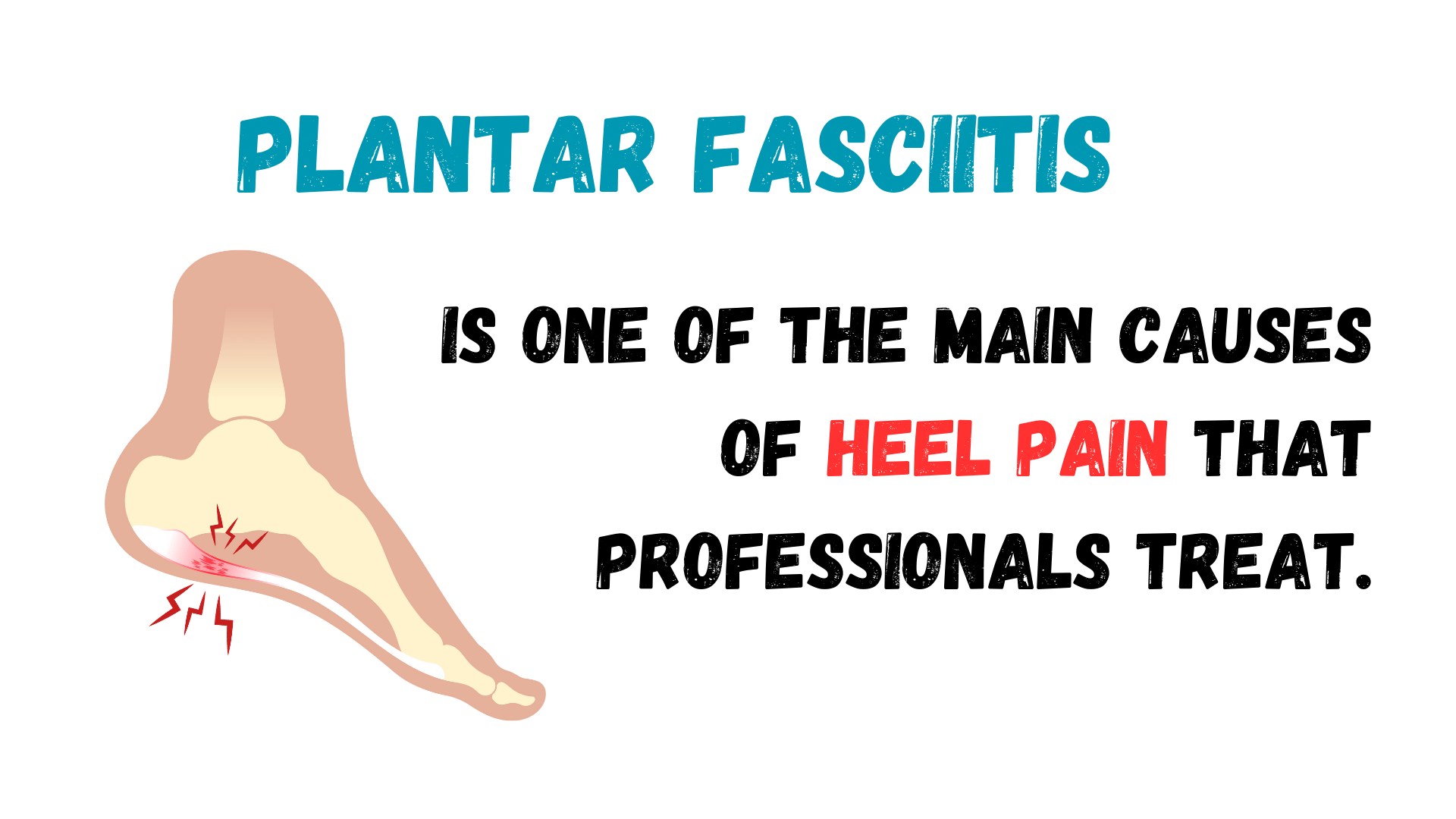
Sharp heel pain first thing in the morning is one of the most common problems we see. You step out of bed, put your foot on the floor and feel a stabbing or pulling pain under the heel.
This is often linked to plantar fasciitis, or in longer-term cases, plantar fasciopathy. The plantar fascia is the thick band of tissue that supports the arch of the foot and helps absorb load as you walk.
Around menopause, changes in connective tissue, strength and recovery may make the plantar fascia less tolerant of strain. Standing for long periods, walking barefoot on hard floors, wearing unsupportive shoes or increasing activity too quickly can also add to the problem.
Supportive footwear, stretching, strengthening, load management, strapping, orthotic support may help, depending on what is causing the pain.
Ball-of-Foot Pain and Reduced Cushioning
Some women describe the feeling as though they are “walking on bone”, especially under the ball of the foot or heel.
Your feet have natural fat pads that help absorb pressure. Over time, these fat pads can thin, shift or become less effective. This can make hard floors, thin-soled shoes or longer walks much less comfortable.
This type of pain may show up as forefoot tenderness, heel sensitivity, pressure spots, callus build-up or discomfort in shoes that used to feel fine.

The aim is usually to reduce pressure and improve cushioning. Footwear changes, padding, insoles or orthotic support may help, but the right treatment depends on whether the pain is coming from reduced cushioning, joint irritation, nerve symptoms, callus or something else.
Dry Skin and Cracked Heels
Dry, cracked heels are not just cosmetic. They can become painful, split open, bleed or increase the risk of infection, especially for people with diabetes or circulation concerns.
Around menopause, some women notice their skin becomes drier or less supple. On the feet, this can lead to rough heels, thicker callus or painful cracks known as fissures.
Regular moisturising can help, but standard moisturisers are not always enough for thickened heel skin. A podiatrist may recommend suitable foot-care products, including stronger urea-based creams commonly used for dry or thickened skin.
If prescription-only treatment is needed, or if the skin changes are severe, unusual or not improving, we may recommend review with your GP or another appropriate health professional.

Bone Health and Stress Fractures
Menopause is associated with a decline in bone density, particularly in the years after the final menstrual period. This makes bone health especially important if you are active, returning to exercise or increasing your walking.
The small bones in the feet take a lot of repetitive load. A stress fracture can develop when bone is exposed to more load than it can comfortably tolerate.
Possible signs of a stress fracture include:
- pain in one specific area of the foot
- swelling or tenderness over a bone
- pain that worsens with activity
- pain that improves with rest but returns when walking
If we suspect a stress fracture or bone-related pain, we may recommend imaging or referral to your GP for further assessment. Bone density checks, such as a DEXA scan, may also be discussed with your GP if there are broader risk factors for osteoporosis.
Heavy Legs, Swollen Ankles and Tired Feet

Some women notice heavier-feeling legs, ankle swelling, cramps or tired feet around midlife.
These symptoms can have several causes, including activity levels, footwear, temperature, circulation, fluid balance, medication, vein issues or other health conditions. It is easy to assume swelling is “just hormonal”, but persistent swelling should not be ignored.
Seek prompt medical advice if swelling is sudden, severe, one-sided, painful, red, warm, or occurs with shortness of breath or chest pain.
For milder heaviness or tired legs, simple measures such as elevating the legs, staying active, reviewing footwear and avoiding long periods of standing still may help. Compression socks may be useful for some people, but they should be chosen carefully, especially if you have diabetes, circulation concerns or other medical conditions.
When Foot Pain Is Not Just Menopause
Menopause can be part of the picture, but it is rarely the only thing worth considering.
Heel pain, arch pain, Achilles pain, forefoot pain or cracked heels may also be linked to footwear, activity changes, standing for long periods, plantar fasciitis, Achilles tendinopathy, arthritis, bunions, nerve irritation, reduced cushioning, callus, diabetes, circulation issues, previous injuries or changes in walking pattern.
That is why a proper assessment matters. Treating every midlife foot problem as “just menopause” can delay the right care.
It is worth booking a podiatry appointment if you notice:
- heel pain that keeps returning
- pain when you first get out of bed
- Achilles pain or stiffness
- pain under the ball of the foot
- cracked heels that are painful or bleeding
- swelling, numbness, burning or tingling
- shoes suddenly rubbing or feeling uncomfortable
- foot pain that changes the way you walk
- pain that stops you from exercising or enjoying daily activities

How Step Ahead Podiatry Can Help
At Step Ahead Podiatry, we help women understand what may be contributing to their foot pain and what can be done to improve comfort, mobility and confidence.
Your appointment may include an assessment of your foot posture, walking pattern, footwear, skin condition, pressure areas, heel pain, Achilles pain, balance, activity levels and whether orthotic support may be useful.
From there, your management plan may include footwear advice, stretching and strengthening guidance, skin care, callus treatment, padding, orthotic support, or referral to your GP or another health professional if broader medical care is needed.
Keeping You Active Through Midlife and Beyond
Menopause can bring plenty of changes, but sore feet do not have to be something you simply accept.
Whether you want to keep walking, return to exercise, stay comfortable at work or simply get through the day without thinking about your feet, practical support is available.
If foot pain is making it harder to enjoy life in Mount Eliza, book an appointment with Step Ahead Podiatry. We can help identify what is happening and create a personalised plan to keep you moving with confidence.